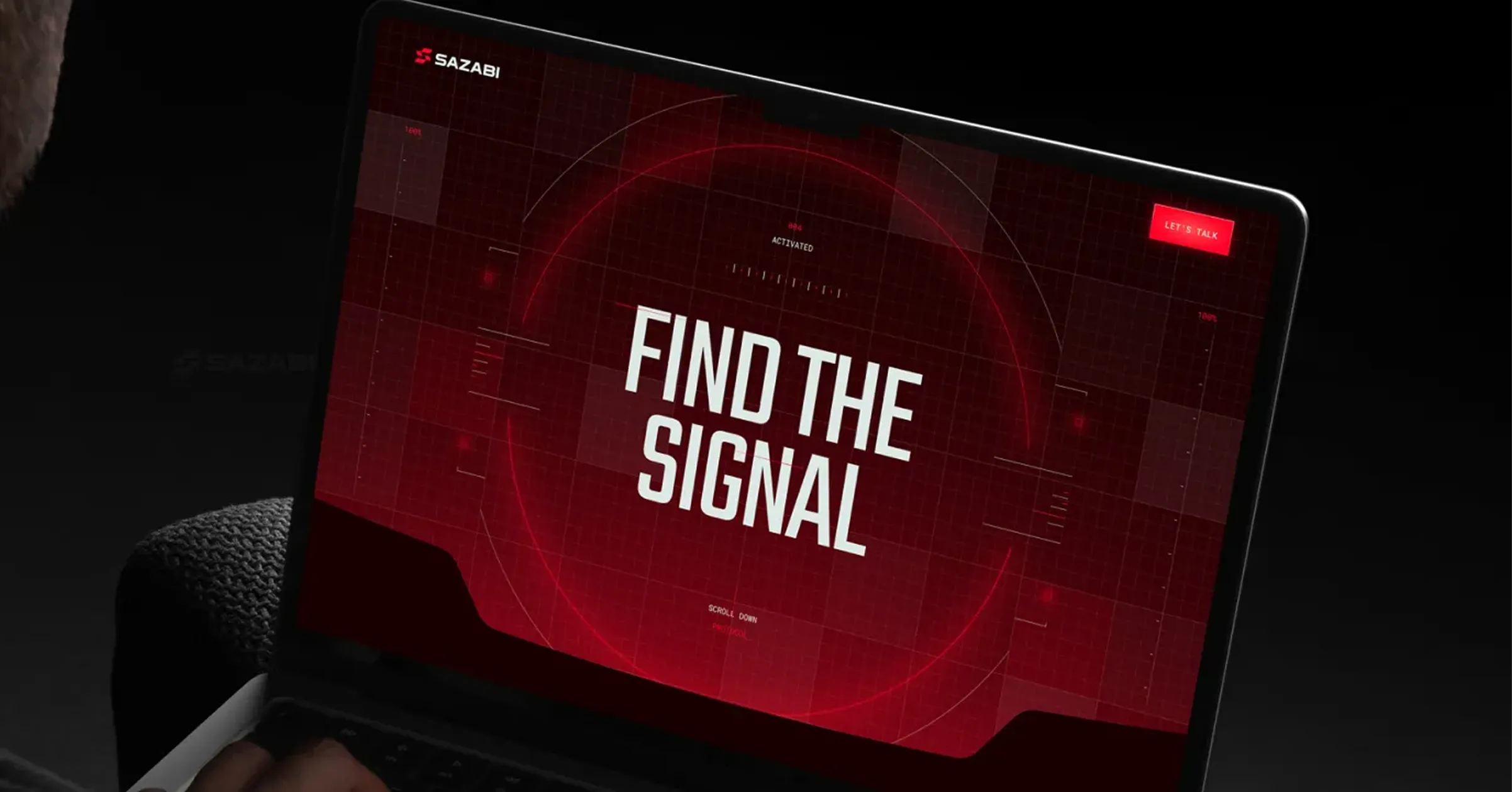
Observability for AI-generated code
AI is now writing more code than any human team ever could, but when that code fails, the failure mode is a black box. Models hallucinate logic, call APIs that never existed, or create brittle flows no engineer would author. Teams are shipping software they didn’t write and can’t fully inspect. The speed is incredible but despite years of investment in logs, metrics, and traces, debugging hasn’t become meaningfully easier.
The observability gap is persistent. Sazabi (YC P26) is closing that gap.
Sazabi builds observability for AI-generated code, making execution visible, explainable, and debuggable. It reveals what agents are doing beneath the surface: decisions taken, paths attempted, assumptions made, and inconsistencies introduced so engineers can reason about how behavior emerged, not just observe outcomes.
Sazabi was founded by Sherwood Callaway, a second-time founder and ex-Brex infra engineer. He previously built and sold Opkit (YC W23, acquired by 11x) and led AI infra at 11x for Alice; one of the largest agentic systems in production. Sazabi was born from the reliability gaps he saw firsthand.
When code has no author
Traditional observability assumed a human wrote the code and understood how it worked. Logs, traces, and metrics were designed for determinism and intent.
AI breaks that.
- Behavior changes between runs
- Intent is opaque
- Reasoning is invisible
Sazabi treats AI behavior as a new class of telemetry. It doesn’t just ask “What did the code do?”, it asks “What did the AI decide to do, and why?”
That shift defines the category and is why backers like Village Global and Agent Fund got in early.
The tipping point for AI-native engineering
As AI shifts from assistant → co-author → autonomous collaborator, teams will ship more code they didn’t explicitly write. That introduces new failure modes, debugging patterns, and reliability needs.
Without observability for AI-authored systems, teams are flying blind. Demand is growing across startups and enterprises using agents for testing, refactoring, and production tasks. Observability is becoming increasingly central to system reliability.
Why we’re betting on Sazabi
Sazabi isn’t a wrapper on logs. It captures agent decisions, output deviations, and anomalies in a way developers can act on, surfacing what would take hours to debug manually. It fits cleanly into existing workflows.
As AI writes more software, Sazabi becomes essential infrastructure. Not optional. Not a nice-to-have.
Every team embracing AI-augmented development will need visibility into what their agents are doing. Without that, reliability breaks and velocity follows.
We’re proud to support the team defining the observability layer for the AI-written future.