Words that click:
"The world is moving so fast these days that the man who says it can't be done is generally interrupted by someone doing it."
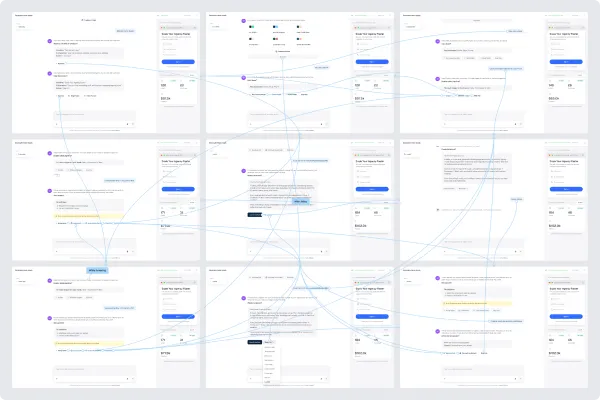
Old way: clickable illusions
AI has transformed our approach to product design.
For years, prototyping in product design looked like this:
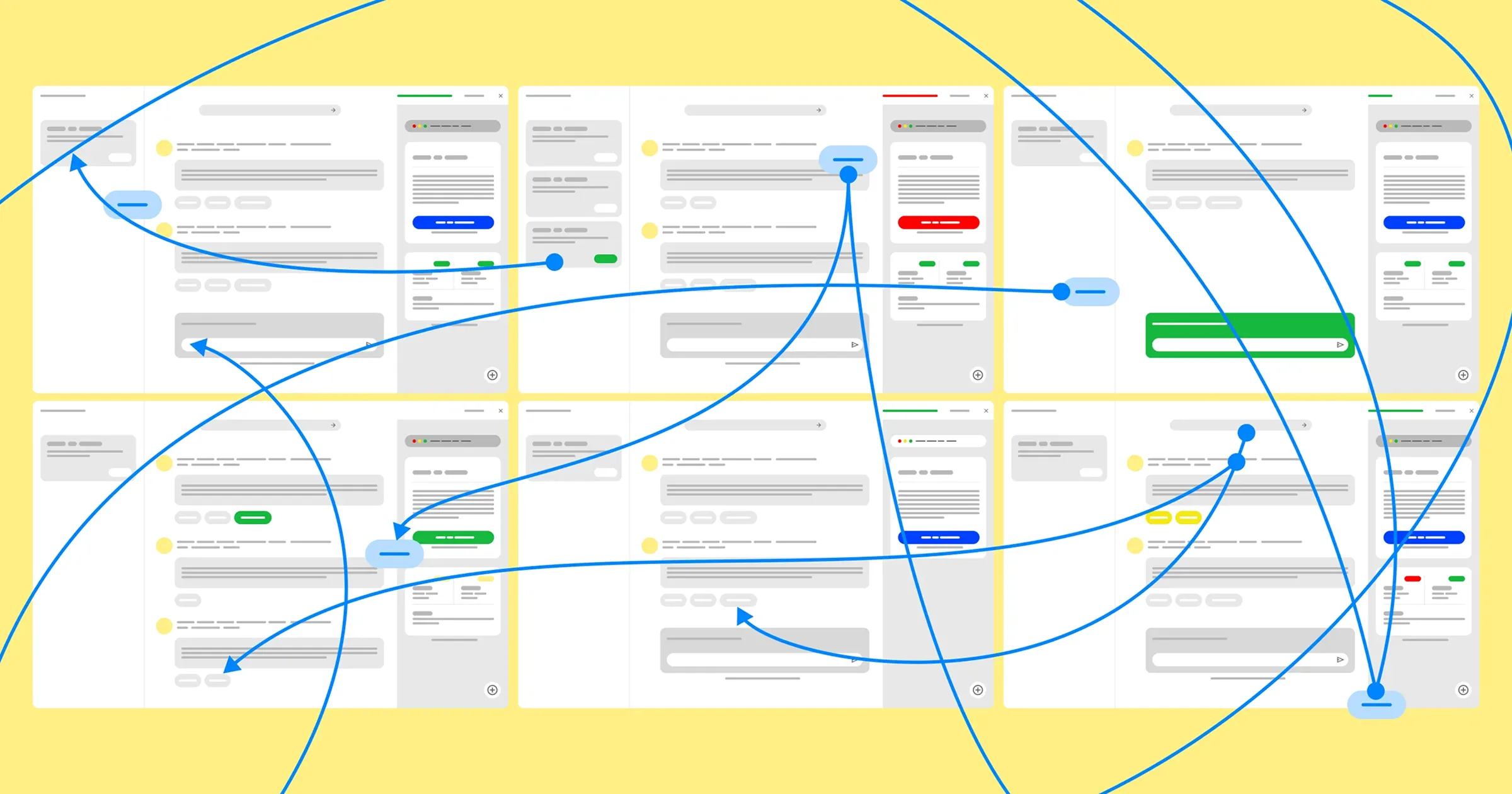
- We present static screens on Figma.
- We click through 1 specific user flow.
- We narrate what would happen in edge cases.
It worked. But it didn't feel real.
Traditional prototypes were essentially animated storyboards.
New way: (almost) working products
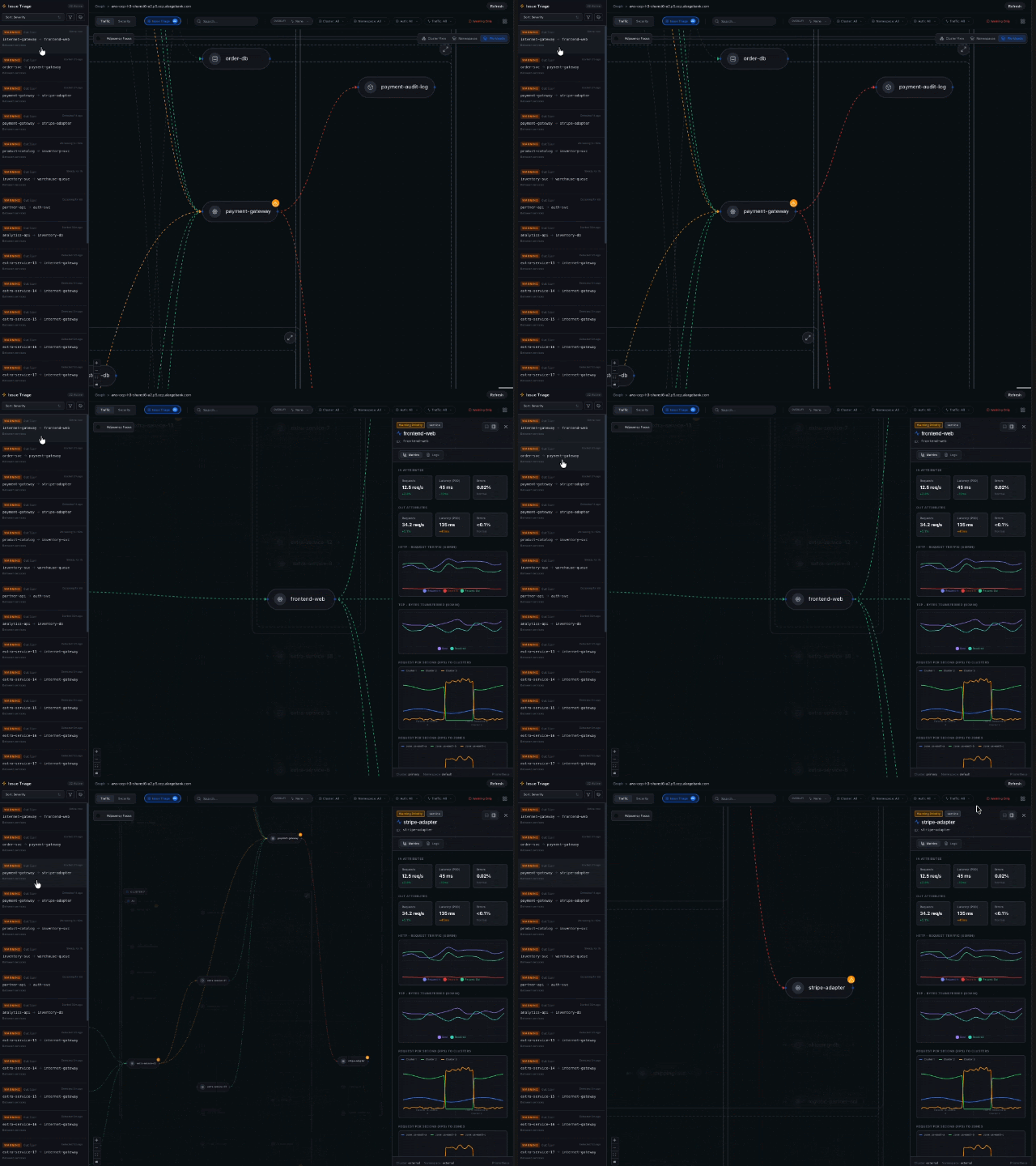
Now, we build functional prototypes.
Not pixel-perfect production apps, but fully interactive environments that behave like real software.
Our step-by-step:
- Open Claude or Replit.
- Provide context, research, and PRD.
- Identify core interaction.
- Feed in our design system and sample UI.
- Vibe code the product experience.
Within hours, you have something you can actually use.
Why this changes the game
There are some clear benefits:
- It feels real. “Try it” beats “Imagine it.” Feedback becomes sharper and more concrete.
- You can test reality. Real data and multiple edge cases.
- No engineering needed. Design explores product logic without pulling dev resources.
- It’s faster. Idea > interaction in hours.
AI has expanded what design can do.
And we can't imagine going back to what we had before.
The gap between idea and product is collapsing.