When Zypsy backs a company, we believe in what its founders are building.
A few times each year, we open an Omakase Branding sprint selectively to one of our portfolio companies. It’s a focused three-week engagement designed to give founders the essential elements of an early brand, from storytelling and messaging to visual identity.
Omakase means “I’ll leave it up to you.” At a restaurant, you share your tastes and trust the chef’s judgment. In our branding sprint, you share your ambition and constraints, then give us room to develop a direction. When we present it, you decide whether to use it.
What we need from you
Omakase begins with you telling us what you’re building, who you need to reach, and what you want the brand to help your business do.
The beginning of the process is where we need the most from you.
Tell us:
- What you’re building and where you want the company to go
- What you know about the market and the people you need to reach
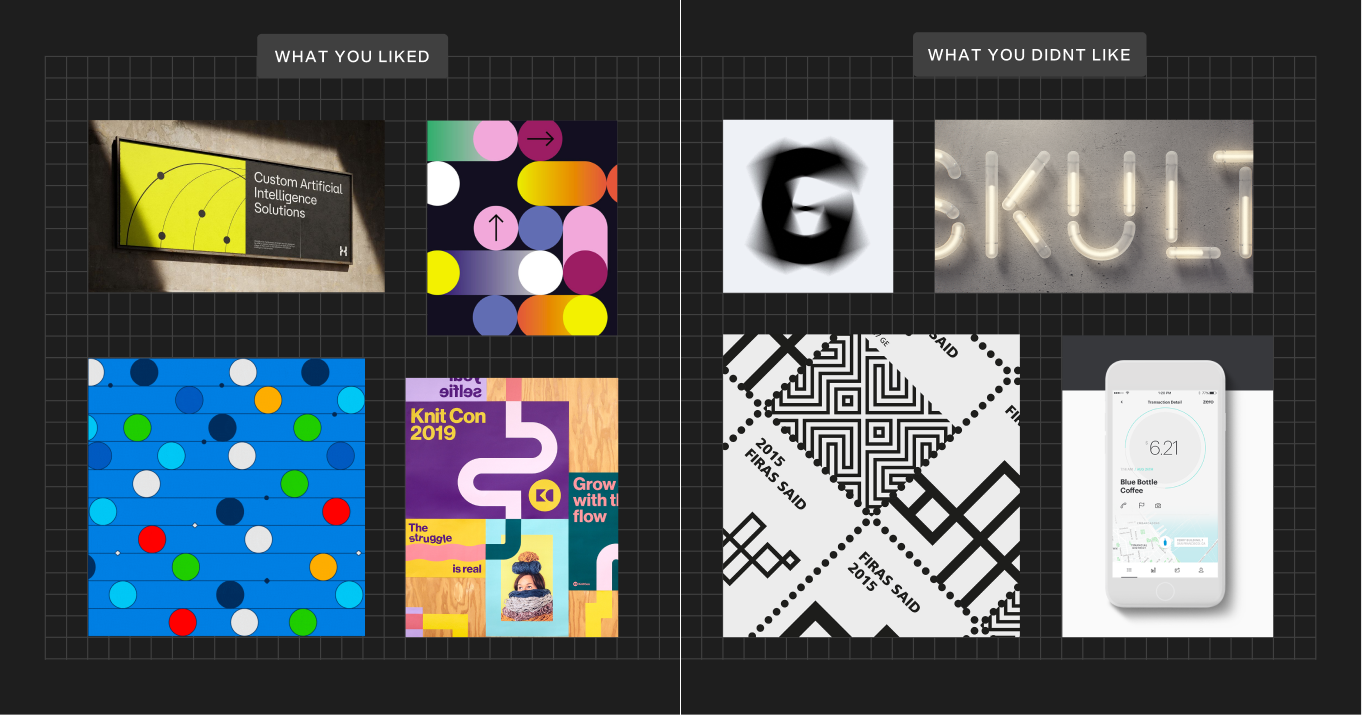
- Your strong opinions, references, things you hate and anything that genuinely cannot change
- What’s still uncertain
The better we understand the problem at the beginning, the more freedom we can have while solving it. Once that context is clear, the relationship changes. We go away and do the work without creative reviews or rounds of options.
Guiding principles
Three weeks is enough time to make a strong brand, but only if we can spend those three weeks actually making it. If every early idea becomes something to review and every decision needs consensus before we continue, the sprint stops being a sprint.
With Omakase, you hire us for our judgement and then let us use it. That gives the team enough room to follow an idea properly, discard it when it doesn’t work and bring you one brand we actually believe in rather than several options designed to spread the risk.
When too many individual opinions shape the work as it develops, the safest answer is usually the one nobody strongly objects to. Omakase is designed to give the brand a clearer, more deliberate creative direction instead.
That trust also puts more responsibility on us. We make the decisions, we explain them and we stand behind the result.
The process
Week 1. The download.
We spend the first week understanding the company properly. This is the collaborative part. We work through the product, market, audience, ambition and existing brand, and identify the constraints that actually matter.
If we’ve misunderstood something, this is the week to correct it. The point of this week is to make sure we’re solving the right problem before we start making the brand.
Week 2. The build.
Then we go quiet. The team develops the strategy, messaging and visual identity together. Ideas will change. Some will fail. Some things that looked promising on Monday will be gone by Wednesday. You don’t need to watch that happen.
Giving the team room during this part means we can judge the work as a whole rather than asking you to react to pieces before they’re ready.
Week 3. The reveal.
At the end of the sprint, we present one complete direction.
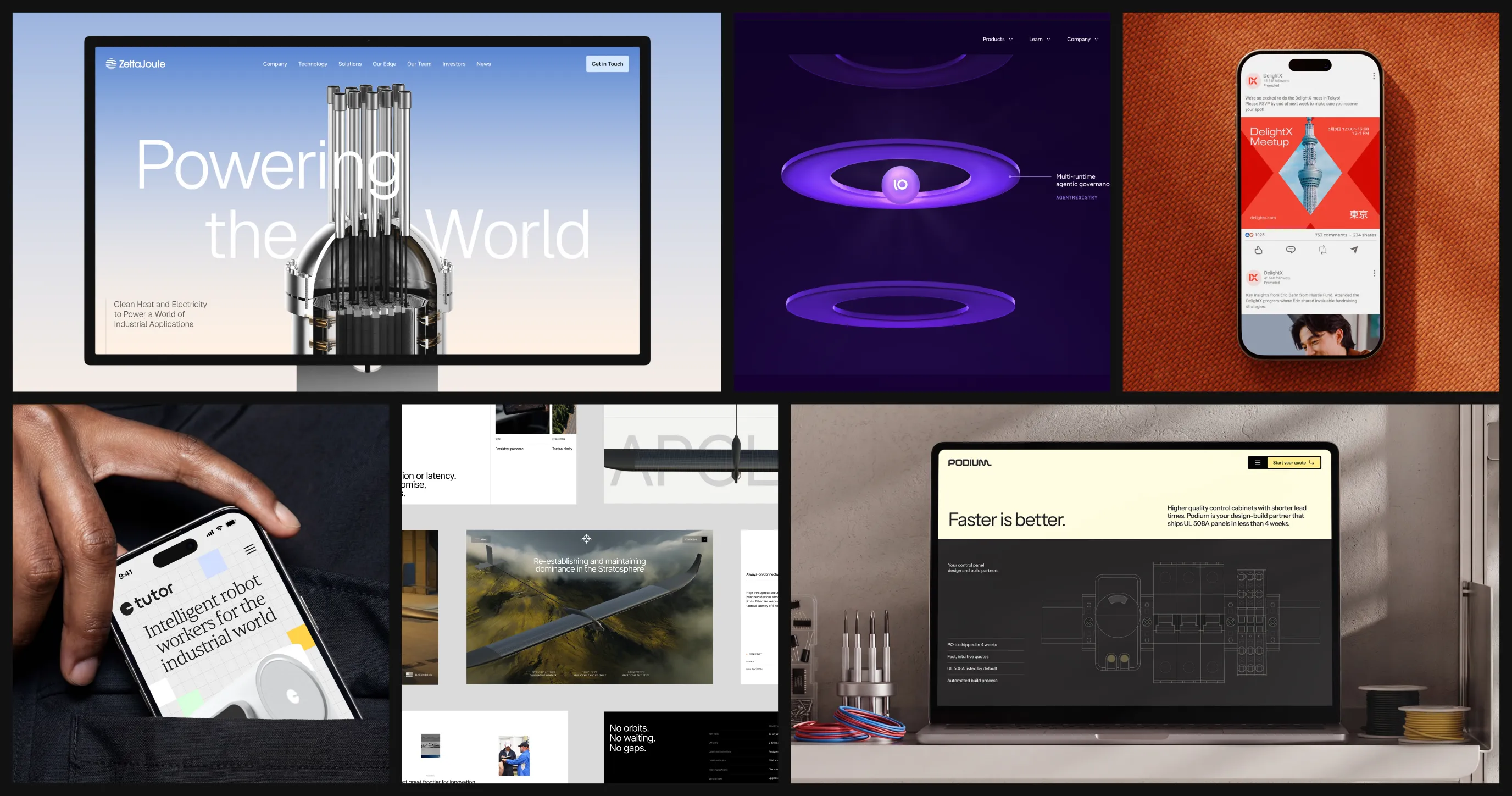
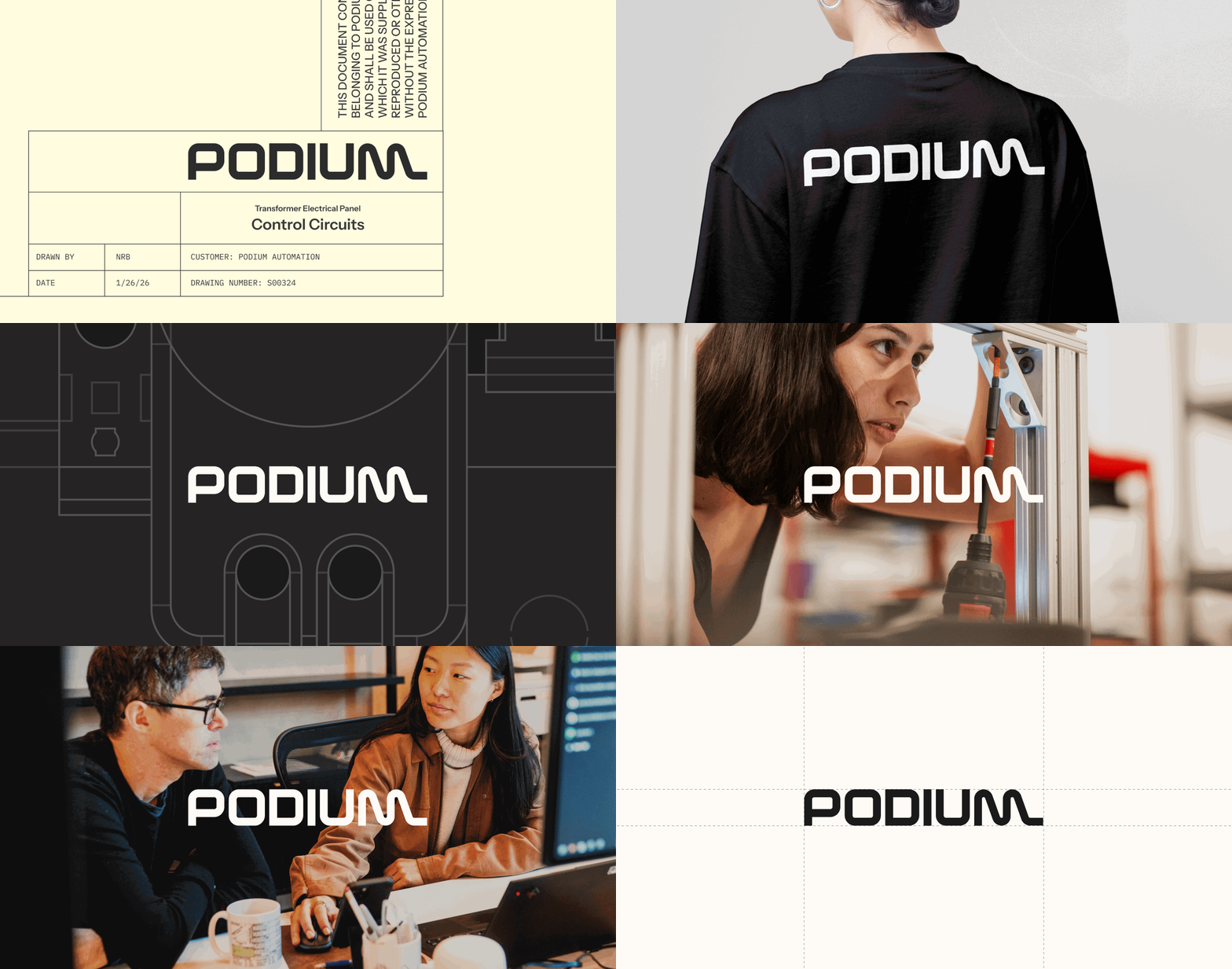
We’ll show you the thinking behind it, the visual identity, the messaging and enough applications to make it clear how the brand can live beyond the presentation.
There isn’t a menu of three logos or three different worlds to choose between. We bring you the answer we think is right and explain why.
You can decide whether you want to use it. The sprint ends with the presentation and handoff. There are no revision rounds inside the three week engagement.
What you’ll get
A strong foundation that’s ready for everything that comes next.
- Brand story, positioning, and messaging
- Logo and visual identity
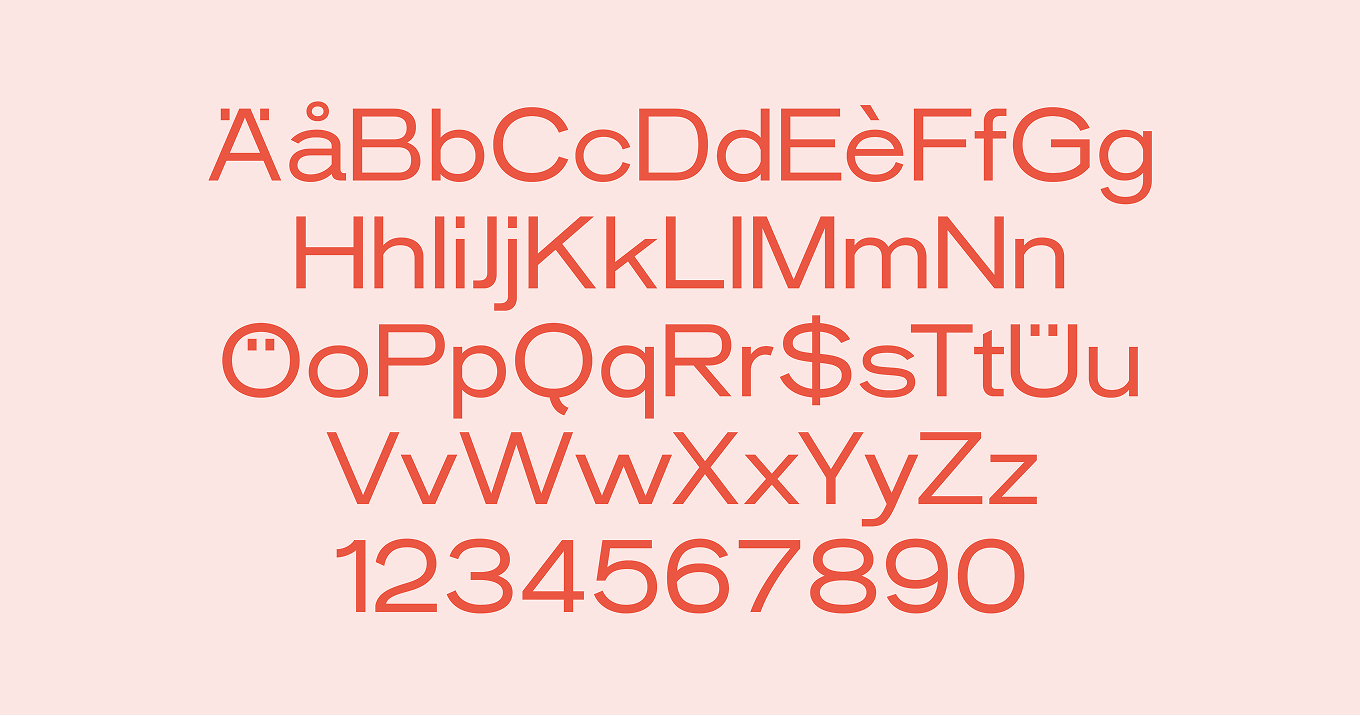
- Typography and color system
- Graphic language and supporting assets
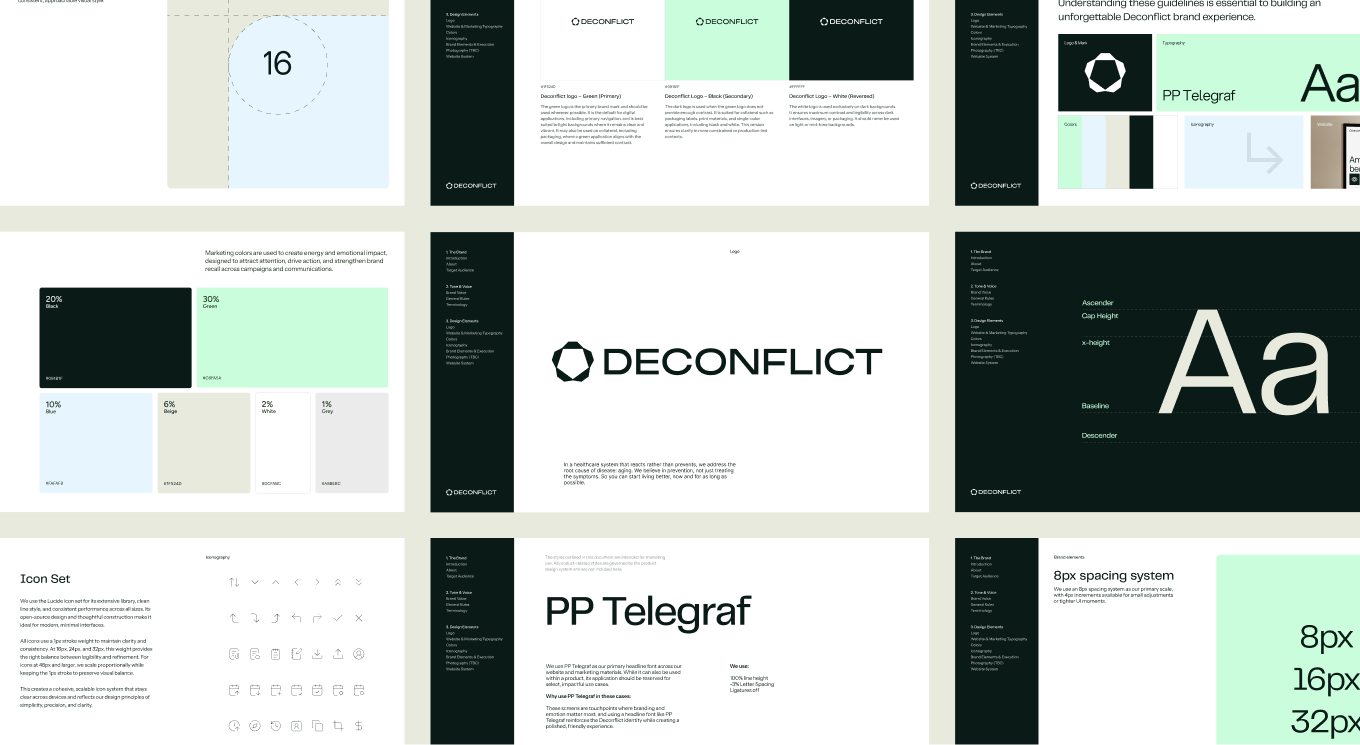
- A complete presentation showing how it all works together
Why no website?
We deliberately don’t try to design a website inside the same three weeks.
Once a website enters the conversation, attention quickly moves towards page structure, copy, content requirements and implementation. Those are important problems, but they’re different problems.
Trying to solve both at once means the brand usually gets less attention than it should. We give the brand its three weeks first. If you decide to move forward with it, the website can follow from a much clearer starting point.
Is Omakase right for you?
The process asks for a particular kind of relationship.
If you want to see several directions, shape individual design decisions as they happen or work through multiple rounds of revision together, this isn’t the right format. A longer branding engagement gives us much more room to work that way.
Omakase works when you’re comfortable giving us everything we need to understand the company, then letting us take responsibility for the creative answer.
We hope you’ll leave with something you’re excited to put into the world.